Pen D package to be implemented to ensure continuity of care for chronic patients during disasters
Tikapur (Kailali): Bhajani Municipality in Kailali and Laljhadi Rural Municipality in Kanchanpur have decided to include the Emergency Response Program (Pen D) for non-communicable diseases in disaster situations within their policies and programs.
With conditions such as high blood pressure, diabetes, cancer, cardiovascular and respiratory diseases emerging as major public health risks, both municipalities have committed to incorporating control measures, treatment services, and awareness programs into their plans. These diseases are increasingly becoming leading causes of premature death and disability in Nepal. According to the World Health Organization, non-communicable diseases accounted for 71 percent of deaths in 2019 and are projected to rise to 79 percent by 2040.
The prevalence of non-communicable diseases is also increasing in these two municipalities, which remain highly vulnerable to disasters, particularly floods and erosion. The ‘Resilience NCD’ project is currently being implemented in both municipalities with financial and technical support from the Novo Nordisk Foundation, alongside support from the Danish Red Cross, Canadian Red Cross, Aarhus University, and the Nepal Red Cross Society.
Although the World Health Organization supports the implementation of the Pen D program at the primary health care level, its effectiveness has been limited during disasters, when treatment is often disrupted, medicines become unavailable, and displacement occurs.
Bhajani Municipality Mayor Kewal Chaudhary and Laljhadi Rural Municipality Chair Nirmal Rana stated that the Pen D Package will be included in the policy and program of the upcoming fiscal year.
Speaking at the Resilience NCD project review and mock exercise program, Mayor Chaudhary said that non-communicable disease prevention should be prioritized not only during disasters but also at all times. He emphasized the need to increase awareness among communities and public representatives.
He added that the municipality has constructed more than 100 elevated houses to protect residents from flood risks, including 18 houses for displaced citizens. He said services addressing non-communicable diseases will now also be provided in these safe shelters. Efforts are ongoing to identify patients within communities, and identification cards are being distributed.
Chairperson Rana stated that the Pen D Package has helped raise awareness about non-communicable diseases and their prevention. Although currently being implemented as a pilot under the Resilience NCD project, he said the municipality plans to continue and expand the program.
The Pen D Package, developed with the support of the Ministry of Health and Food Hygiene, has been tested in these municipalities over the past two years, during which various awareness activities have been conducted at the local level.
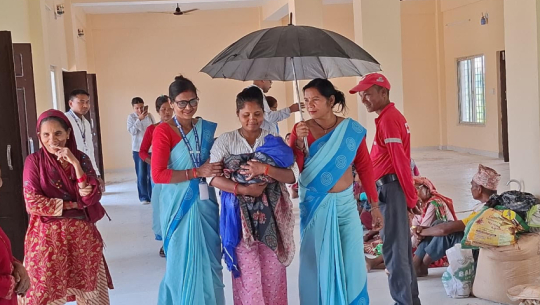
To strengthen preparedness, a two-day simulated disaster exercise was conducted in both municipalities, which are highly prone to flooding. According to Pramod Adhikari, coordinator of the Resilience NCD project under the Red Cross Society, the exercise involved municipal authorities, emergency operation centers, community organizations, health workers, volunteers, disaster management committees, media, and citizens across eight different scenarios.
Rivers such as the Mohana, Kandra, Doda, and Patharaiya frequently overflow during the monsoon, displacing residents annually. Adhikari stated that the main goal of the Resilience NCD project is to ensure that people with non-communicable diseases are not neglected during disasters by strengthening coordination between the health sector and disaster response systems. Prioritizing such patients can reduce complications, deaths, and mental stress while ensuring continuity of treatment.
During the simulation, continuous basic health services and care for non-communicable disease patients were maintained even amid flood scenarios. The list of patients suffering from chronic conditions such as heart disease, hypertension, diabetes, cancer, and respiratory illnesses was also updated, according to Bishnu Raj Neupane, Head of the Disaster Management Branch of Bhajani Municipality.
He said the exercise helped prepare data on patients, plan medicine storage, and ensure continued service delivery even if health posts are submerged. Information dissemination in local languages and mobilization of rescue personnel have also been strengthened as part of monsoon preparedness.
The Red Cross formed a control team divided into six groups from the two municipalities to conduct the simulated exercise, which also utilized video calls. Monitoring was carried out by supporting agencies including the National Disaster Risk Reduction and Management Authority, National Health Emergency Operations Center, Danish Red Cross, Epidemiology and Disease Control Division, and the District Disaster Management Committee, according to Mukesh Chandra Gautam, Program Coordinator of the Disaster Response Project in Kailali.
The exercise maximized the use of technology, with information disseminated via mobile text messages, sirens, radio, public announcements, and social media platforms such as Facebook.
Hemraj Upadhyay, Head of the Disaster Branch of Laljhadi Rural Municipality, emphasized the need for plans to ensure uninterrupted medication and safe relocation of patients during disasters. He stressed that mental health services should also be prioritized alongside non-communicable disease prevention and control, and called for coordination among all levels of government.
Senior AHEB Yagya Bahadur Dhami of Shankarpur Health Post highlighted the vulnerability of health workers themselves during disasters and pointed out the need for improved infrastructure, manpower, and increased government investment in the health sector.
The Ministry of Health is currently in the process of certifying the Pen D Package. As treatment for non-communicable diseases is often disrupted during disasters, the need for municipal-level strategies, equitable practices, and assured health services has been emphasized to ensure continuity of care.
Danish Red Cross representative Niru Pradhan stressed the importance of awareness about the Pen D Package and indicated plans to continue similar initiatives beyond the current project.
Anil Maharjan, Health Program Coordinator at the Nepal Red Cross Society, suggested preparing disaster plans at health posts and improving coordination between health workers and disaster management units. He also recommended integrating the Pen D Package into regular health services.
Rajan Shrestha of Aarhus University emphasized increasing local participation in disaster preparedness and response. Observer Sudip Ale Magar highlighted the importance of ensuring access to appropriate food, medicines, and alternative communication and power sources during disasters.
Dr. Sabin Parajuli from the Epidemiology and Disease Control Division stressed the need for public awareness, regular health checkups for individuals above 30, and stronger coordination with provincial health offices to ensure timely medical support during emergencies.