
Far west records nearly 2,000 snakebite cases over three years
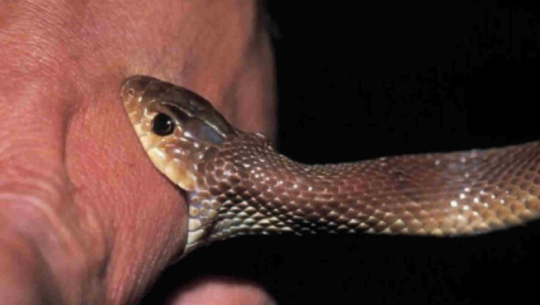
Kanchanpur: A total of 1,926 people have been affected by snakebites in the Far West Province over the past three years, according to statistics from the Health Directorate. Of them, 154 people were bitten by venomous snakes.
According to Hemraj Joshi, Insect Disease Officer at the Far West Province Health Directorate, Dipayal, Doti, 587 people have been affected by snakebites so far in the fiscal year 2082/83. Among them, 17 were bitten by venomous snakes, while 570 were bitten by non-venomous snakes.
Similarly, in the fiscal year 2081/82, a total of 827 people suffered snakebites, including 46 cases involving venomous snakes and 781 involving non-venomous snakes. In the fiscal year 2080/81, 512 people were affected, of whom 91 were bitten by venomous snakes and 441 by non-venomous snakes.
Kailali and Kanchanpur districts are considered high-risk areas for snakebites in the province. Officer Joshi said that the Terai geography, dense settlements, farmlands, rivers and bushes contribute to increased snake movement in these districts.
According to him, bites from venomous snakes such as goman and karait are more common in the Far West. He said that karait snakebites frequently occur at night while people are sleeping. Snakebite incidents increase particularly during the rainy season and farming period. From Jestha to Asoj, activities such as working in fields, snakes entering houses at night, and snakes moving into settlements due to floods and inundation rise, leading to increased pressure of snakebite patients in hospitals during this period.
Health workers said that even after being bitten by snakes, many patients rely on jharfuk, dhami-jhakri practices and home remedies instead of seeking hospital treatment, which can lead to life-threatening situations.
“If patients bitten by snakes reach the hospital in time and receive an anti-snake venom injection, they can be saved,” said Lilakant Jha, head of Dekhtabhuli Health Post in Kanchanpur. “Delays increase the risk of death.”
Although primary treatment services for snakebites are available in all nine districts of the Far West, patients with complicated conditions must be referred to well-equipped hospitals. Health workers noted that bringing snakebite patients from rural and remote areas to hospitals on time remains challenging due to poor road conditions and lack of transportation services.
The Nepali Army has been operating snakebite treatment centers at various locations in the Terai districts in coordination with local governments, which has helped save lives during emergencies.

Dineshkhabar Desk