
Community forests in Shuklaphanta boost income generation alongside conservation efforts
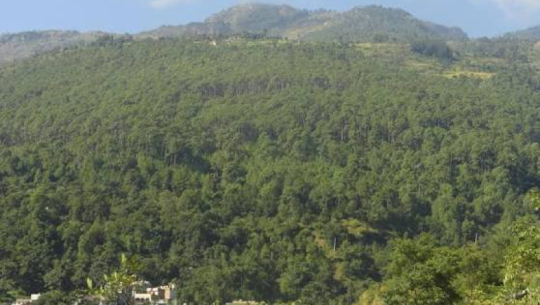
Kanchanpur: Community forests in Shuklaphanta Municipality-7 have been implementing various commercial programs aimed at improving the economic condition of users by prioritizing income-generating activities alongside forest conservation.
Forest management has been increasing income through bamboo production, fruit cultivation, turmeric farming and micro-enterprises, creating employment and income opportunities for local residents.
More than 5,000 bamboo saplings planted a decade ago across around 100 hectares have been preserved and managed. At present, various species including kade, pele, lathi, malbas, nigale, dehradun, lahere and boom are being produced in the forest.
According to Ambhusingh Dhami, Secretary of the Community Forest Office, a total of Rs 492,905 has been generated from bamboo sales over the past three fiscal years. The income stood at Rs 192,105 in fiscal year 2080/81, Rs 130,950 in 2081/82 and Rs 169,850 in 2082/83.
Local farmers have been using bamboo for commercial vegetable farming, weaving doko-dalo, shuttering in house construction, building poultry sheds and creating organic embankments for soil erosion control. Depending on the variety, bamboo is sold at prices ranging from Rs 200 to Rs 500 per bundle.
In addition to bamboo, the community forest has expanded fruit farming. Around 4,000 seedless lemon plants, 50 Pakistani orange saplings and approximately 500 mango plants of litchi, Bombay, Dahre, Bahramase and Amrapali varieties have been planted. The plants, introduced a decade ago, have now started bearing fruit. The fruit garden has been leased for five years at a cost of Rs 400,000.
According to Community Forest Chairman Lokendra Joshi, preparations to launch duna-tapari and bamboo-beet industries to further increase users’ income have reached the final stage. He said necessary machinery has been procured and skill-based training has been provided to users prior to operation.
The community forest has also been cultivating turmeric over an area of four hectares, producing 40 to 50 quintals annually. Joshi informed that a solar dryer has been installed with support from the municipality and donor agencies to ensure quality drying of turmeric.
Plans are underway to bring and plant 2,000 chiuri saplings from the Botanical Research Center in Kailali to promote beekeeping. He also said initiatives have been taken to develop a picnic site within the forest and construct a trekking route to Sundevi Lake, which holds religious and tourism significance, to promote domestic tourism.
Alongside conservation, the community forest has been investing in community development, conservation education, income-based and skill-based programs targeting disadvantaged groups, reduction of human-wildlife conflict and infrastructure development.
According to local user Ramesh Nepali, efforts have been made to prevent wildlife from entering settlements through the installation of mesh wires, distribution of flashlights, support for computers in schools, construction of bridges and culverts and graveling of roads. He said community forests have significantly contributed to making low-income families self-reliant through income generation and skill development programs.
The community forest reported income exceeding Rs 7.4 million in fiscal year 2082/83 from the sale of fruits, bamboo, timber, firewood and fines. Spread over an area of 111.53 hectares, the environmentally friendly community forest has been supporting local communities in generating income while conserving forest resources.