Rising risk of imported malaria in Kanchanpur due to open border with India
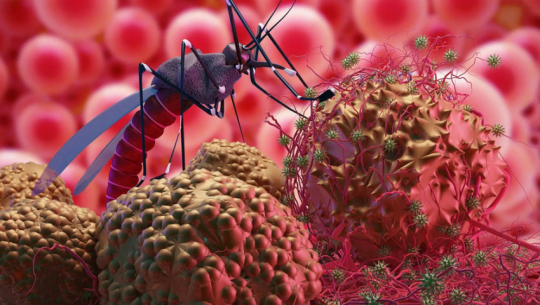
Kanchanpur: The open border with India has posed a growing challenge in controlling malaria in Kanchanpur district, according to the Health Office. Officials report an increasing number of malaria cases being imported from India, outpacing local infections.
Malaria Inspector Siddharaj Bhatta from the Health Office stated that most malaria cases in the district are among individuals who have contracted the disease while in India. “In this district, the number of people infected in India is more than those who come through mosquito bites here,” he said. “Although the number of malaria infections in Kanchanpur has decreased in the last few years, the risk remains.”
The Health Office is implementing strategies aimed at achieving zero malaria cases, but Bhatta said the goal is difficult to reach due to continuous importation of the disease. “People who go to India for employment from Nepal come here after contracting malaria,” he explained. “Malaria is seen in those who come from India and those who have returned from peacekeeping missions.”
To address the risk, malaria testing is being conducted at the health desk at the western border checkpoint, and all patients with fever symptoms are being tested at health facilities across the district.
According to data from the Health Office:
- In fiscal year 2078/79, 35 people tested positive for malaria out of 29,492 tests. Of these, 30 were imported cases and five were local.
- In 2079/80, 28 people were found infected among 30,362 tested, with 23 being imported.
- In 2080/81, 25 returnees from India tested positive out of 16,463 tested.
- Up to Chaitra of fiscal year 2081/82, 11,289 people were tested, with 35 infections recorded—32 imported and three local.
The Health Office noted that many of those returning from India had been engaged in low-wage labor and often returned without seeking treatment for malaria, contributing to the rising number of imported infections.

Dineshkhabar Desk